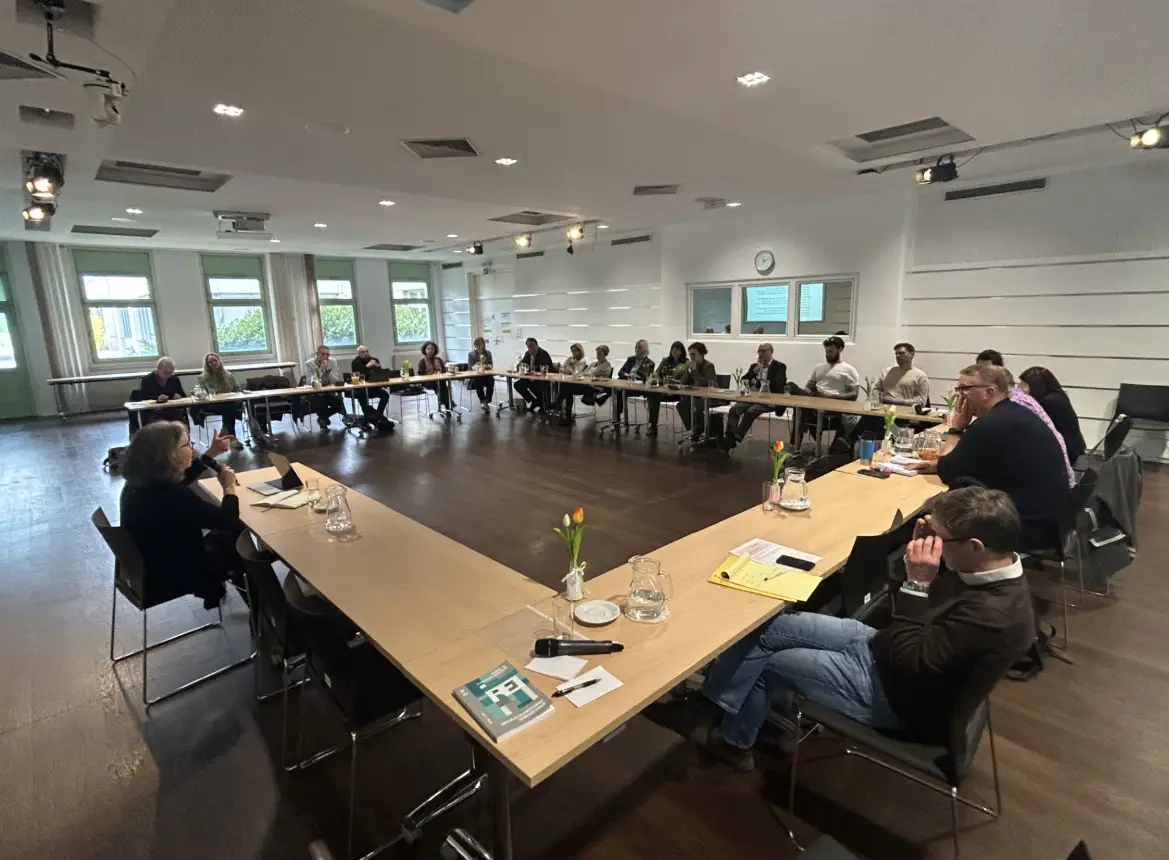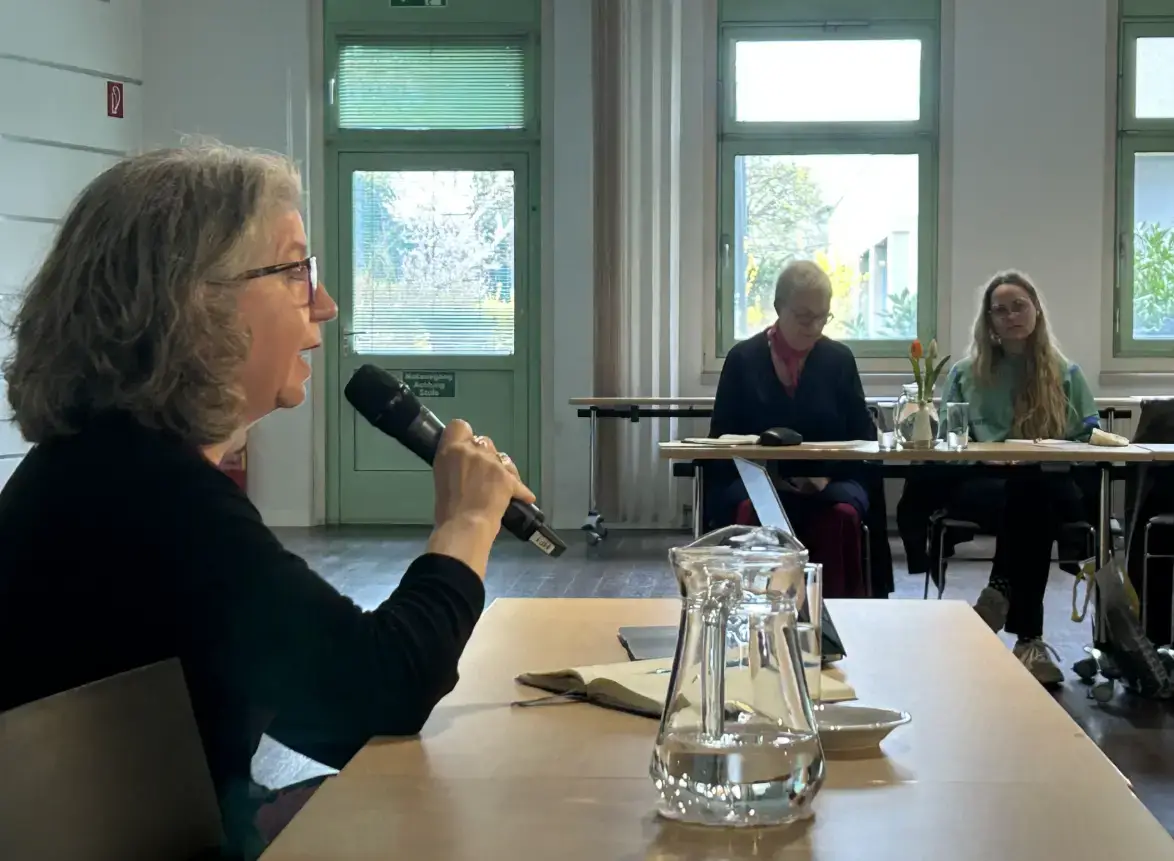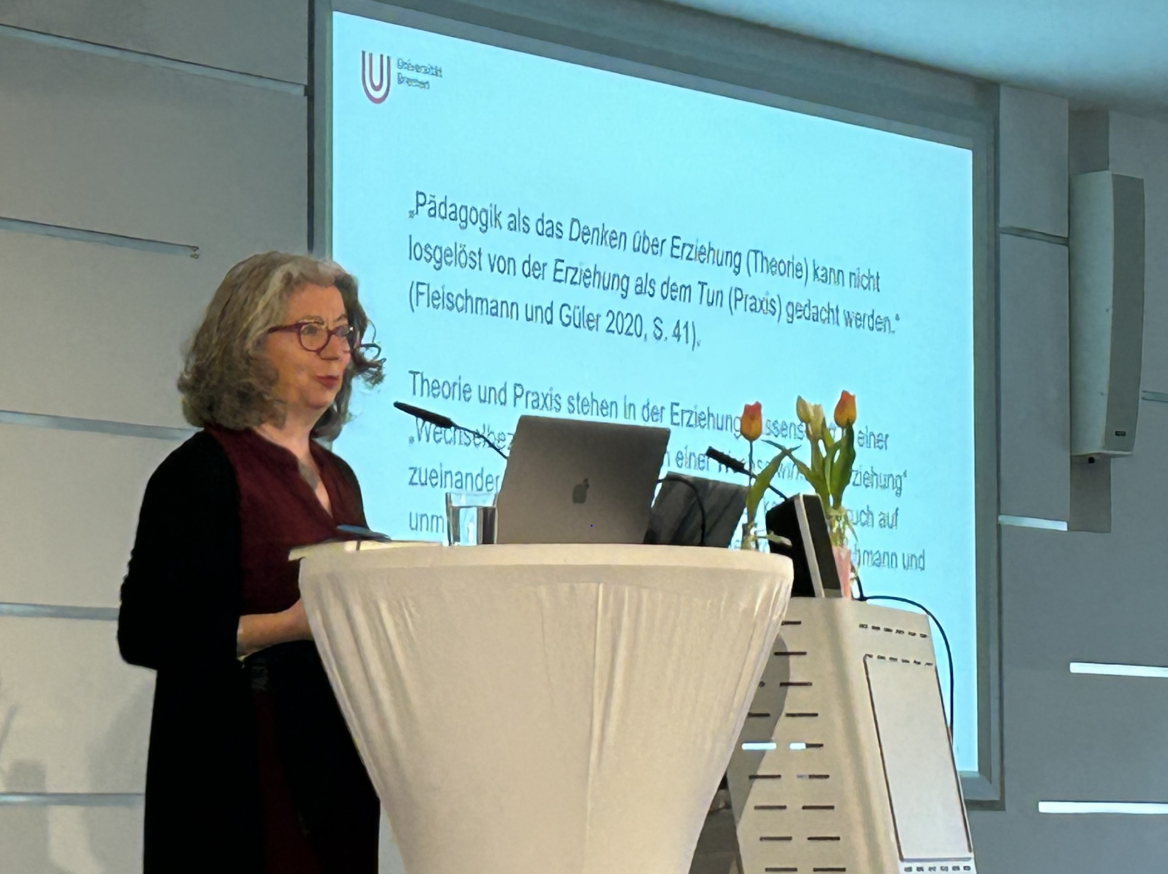
Am 27.03.26 hielt Univ.-Prof.in Dr.in in Yasemin Karakaşoğlu (Universität Bremen) ihren Vortrag „Die Zusammenarbeit von Wissenschaft, Politik, Verwaltung und Praxis im Bereich Migration und Bildung am Beispiel Bremen“ im Festsaal der Pädagogischen Hochschule Wien. Es war der exklusive Auftakt der Veranstaltungsreihe „Migration und Bildung – Schulautonome Sprachförderung“, bei dem die Stakeholder aus der österreichischen Bildungslandschaft und die Sozialpartner*innen nach dem Vortrag auch auf Augenhöhe ins Gespräch kamen.
Wie Karakaşoğlu referierte, ist das Verhältnis zwischen Bildungswissenschaft, Administration und Politik durch einen gemeinsamen Gegenstand bei gleichzeitig differierenden Rollenlogiken geprägt. Während die Wissenschaft auf Reflexion und Evidenz setzt, unterliegen Politik und Verwaltung auch in Bremen Handlungszwängen und Steuerungslogiken. Im Idealfall entstehen hierbei ko-konstruktive Prozesse, die darauf abzielen, die Bildungschancen von Kindern und Jugendlichen nachhaltig zu verbessern. Besonders im Kontext der Migrationsgesellschaft wird dieses Beziehungsgefüge jedoch durch die politische Aufladung des Themas vor komplexe Kommunikationsherausforderungen gestellt.
In die Diskussion vor Ort kamen als Handelnde im österreichischen Bildungssystem mit unterschiedlichen Rollenlogiken im Zwiegespräch mit Yasemin Karakaşoğlu: die Bildungsdirektorin Elisabeth Fuchs, Astrid Pany, Patrick Fuchs, Julia Thalhammer, Dženita Öczan und Margret Sharifpour-Langroudi (alle Bildungsdirektion Wien), Dominik Uher und Samy Suk (BiM), Oliver Gruber (Arbeiterkammer Wien) sowie İnci Dirim, Hannes Schweiger und Michal Dvorecky (alle Universität Wien). Komplementiert wurde die Runde durch das gesamte Rektorat, einige Institutsleiterinnen und interessiertes Hochschullehrpersonal der PH Wien.

,
| Cookie | Duration | Description |
|---|---|---|
| cookielawinfo-checkbox-analytics | 11 months | This cookie is set by GDPR Cookie Consent plugin. The cookie is used to store the user consent for the cookies in the category "Analytics". |
| cookielawinfo-checkbox-functional | 11 months | The cookie is set by GDPR cookie consent to record the user consent for the cookies in the category "Functional". |
| cookielawinfo-checkbox-necessary | 11 months | This cookie is set by GDPR Cookie Consent plugin. The cookies is used to store the user consent for the cookies in the category "Necessary". |
| cookielawinfo-checkbox-others | 11 months | This cookie is set by GDPR Cookie Consent plugin. The cookie is used to store the user consent for the cookies in the category "Other. |
| cookielawinfo-checkbox-performance | 11 months | This cookie is set by GDPR Cookie Consent plugin. The cookie is used to store the user consent for the cookies in the category "Performance". |
| viewed_cookie_policy | 11 months | The cookie is set by the GDPR Cookie Consent plugin and is used to store whether or not user has consented to the use of cookies. It does not store any personal data. |